Know Your Limits Before You Cast Off: A Captain’s Guide to Boating Safety
By Ted Sensenbrenner
Summer doesn’t just invite boaters onto the water; it marks one of the busiest boating seasons of the year. Waterways across the country see traffic multiply on warm weekends as launch ramps back up, fuel docks run long waits and every good anchoring spot is claimed early. But boaters show up anyway, because the payoff is worth it: friends on the water, long evenings on the anchor and the chance to introduce someone to boating for the very first time.
The boaters who enjoy it most tend to have one thing in common. Before they leave the dock, the captain takes responsibility for everyone on board.
Boating Safety Starts with Experienced Boaters
Experience matters on the water. U.S. Coast Guard statistics counted 3,887 recreational boating incidents, 556 deaths and more than 2,100 injuries in a single year, with inattention and inexperience among the leading factors.
But the question isn’t only about skill. It’s a shift in focus, less about measuring yourself and more about the people counting on you to get it right. The encouraging part of that data is what it implies: most of these situations are preventable, often with decisions made before the boat ever leaves the dock.
So think about what getting behind the helm actually asks of you as a boat operator.
It may ask you to boat at night, whether that’s after a fireworks show, a sunset cruise or just a long day that ran later than planned. Running home in the dark is a genuinely different skill than an afternoon cruise. Distances play tricks. Shore lights mix with boat lights in ways that take getting used to. If night running is part of your routine, enjoy it. If it isn’t yet, you have good options: anchor early and wait until traffic clears, follow a more experienced friend home, or build up night hours gradually, starting on a quiet evening rather than your busiest outing of the summer.
It will ask you to manage the chaos of a crowded anchorage. Festivals, rafted-up boats, music blaring loudly, passengers moving around, and suddenly every boat in the cove is heading for the channel at the same time. The operators who handle that well don’t improvise. They brief their passengers before things get busy, agree on who is watching for swimmers and paddlers, and wait a few extra minutes at anchor while the crowd clears. A calm ride home is a better ending anyway.
It will ask you to read the water. Summer afternoons build storms fast, and tides shift through the day. An inlet that was easy at noon can be something else entirely by nine at night. A minute with a weather app and a tide tracker before you leave is the difference between knowing and guessing.
And it will ask you to be honest about alcohol. The effects hit harder on the water than most people expect. Sun, wind, engine noise and boat motion all amplify impairment in ways that sneak up on you. Operating a boat deserves the same planning as driving a car. So decide who’s staying sober before you head out.
A Safe Summer is a Fun Summer
None of this is about doing less this summer. It is about matching the trip to your actual ability, and knowing that ability is something you can build. Boating safety courses aren’t just for beginners. Experienced operators take them for the same reason they maintain their engines: the people aboard are counting on everything to work. A course gives you an honest benchmark, brings back skills that have gone unused over the winter and builds the habits that make a hard situation feel manageable instead of overwhelming.
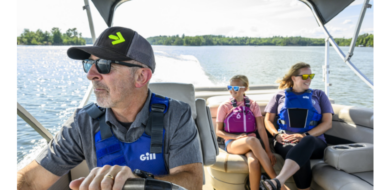
So before your next trip out, take a moment before you cast off. Look at who’s on board. Make a plan that fits them. Let someone on shore know where you’re going and when to expect you back. Make sure every person has a properly fitted life jacket, and when you’re heading home in the dark, with boat wakes everywhere and everyone in a hurry, make sure they’re wearing it.
Knowing your limits is not a limitation. It is what keeps everyone coming back to the water, all summer long.
Ted Sensenbrenner is Director of Boating Safety at the BoatUS Foundation for Boating Safety and Clean Water, a 100-Ton Master U.S. Coast Guard Licensed Captain, and a certified powerboat instructor.