WSIA’s Wake Responsibly Initiative Protects the Future of Wake Sports
Industry-backed campaign provides a roadmap for protecting waterway access.
Sponsored Content provided by Water Sports Foundation. Photos by WSF/Black Oak Creative.
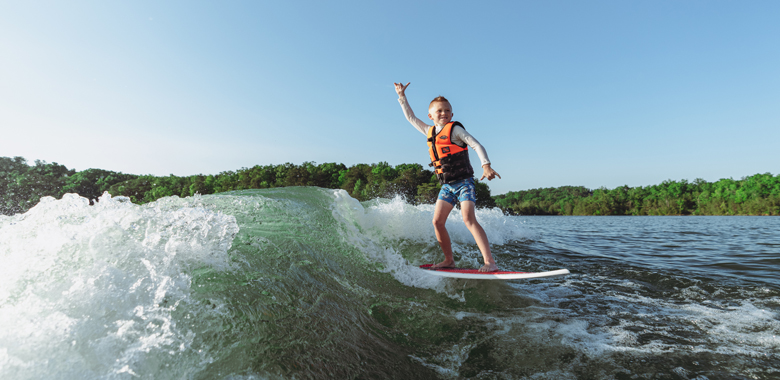
As wake boats and surf systems continue to drive growth across the marine industry, the conversation around responsible operation has become just as important as horsepower, ballast systems, and wave-shaping technology. That’s where the Water Sports Industry Association (WSIA) and its Wake Responsibly initiative have stepped in — creating an industry-wide framework designed to protect waterway access, reduce conflict, and preserve the long-term health of towed watersports.
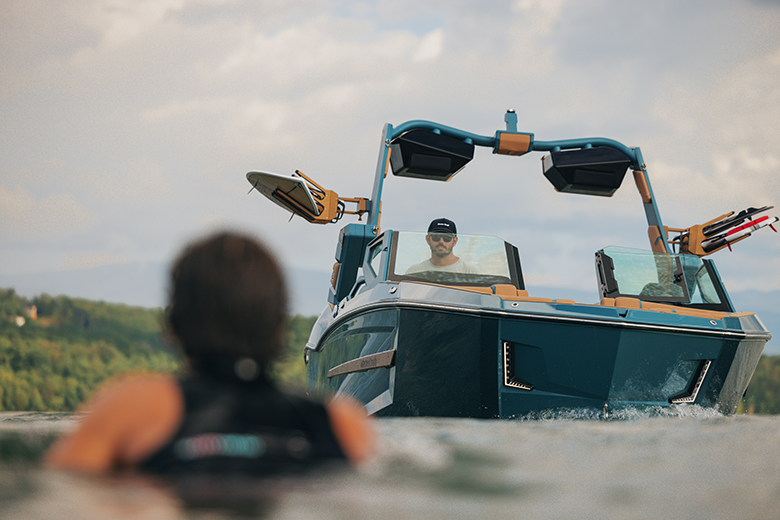
Launched in 2015, the Wake Responsibly campaign was developed to encourage courteous boating practices and promote coexistence among all waterway users. The initiative centers on three straightforward principles: stay at least 200 feet from shorelines, docks, and other boats; keep onboard music at reasonable levels; and avoid repetitive passes in the same area.

Simple messaging, however, has carried significant weight. Those core behaviors directly address many of the complaints commonly associated with wake boating, including shoreline erosion, dock damage, congestion, and noise. By aligning manufacturers, dealers, instructors, and boaters around the same standards, the industry has created a unified message that reinforces responsible operation while demonstrating proactive stewardship to local communities and policymakers alike.
For OEMs, the initiative also creates an opportunity to position technology as part of the solution. Features such as advanced surf systems, ballast controls, and onboard mapping tools are increasingly framed not only as performance enhancements, but as tools that help boaters operate responsibly and safely in appropriate conditions and locations.
That messaging has become increasingly important as wake surfing and wake sports face growing scrutiny on some waterways across North America. In many regions, homeowners and local groups have pushed for restrictions tied to concerns about shoreline impacts and boating behavior. Over the past decade, the WSIA has played a leading role in defending access to waterways threatened by restrictive regulations, positioning Wake Responsibly as evidence that the industry is actively addressing concerns before they escalate into broader access battles.

The initiative also gives dealers a valuable touchpoint throughout the customer journey. From the showroom floor to final delivery, marine retailers have opportunities to reinforce responsible boating practices while strengthening customer relationships. Dealers are encouraged to integrate Wake Responsibly materials into every boat handoff, use the campaign’s digital assets through social and email channels, and partner with local marinas, law enforcement agencies, and community organizations on educational events and demo days.
The strategy reflects a broader shift in consumer expectations as well. Today’s buyers increasingly want to align themselves with brands that demonstrate environmental awareness, community engagement, and responsible recreation. For marine businesses, supporting Wake Responsibly helps position their companies as advocates for long-term waterway stewardship rather than simply sellers of boats.
The Wake Responsibly campaign has evolved far beyond signage and slogans. Working with industry partners, the WSIA has developed a full educational platform that includes videos, downloadable dealer materials, digital campaigns, seminars, and on-water training opportunities. Dozens of educational sessions have been conducted nationwide to help both new and experienced boaters understand safe and courteous wake sports operation.
“When we decided to evolve this initiative from simple signage into a comprehensive, proactive education program, it marked a pivotal moment for the industry,” said Lee Gatts, WSIA executive director. “It was a collective step forward — demonstrating our commitment to instilling good boating habits before bad ones take hold. By focusing on education early, we can reduce conflicts on the water and ensure we all serve as responsible stewards of our precious waterways.”
The campaign has also expanded through partnerships with the nonprofit Water Sports Foundation and the U.S. Coast Guard Office of Boating Safety, integrating broader boating safety education into the initiative’s mission of protecting access and promoting responsible participation.
For the marine industry, Wake Responsibly has become more than an awareness campaign. It is a long-term strategy for preserving access, supporting participation growth, and protecting the future of wake sports. And for dealers and manufacturers navigating an increasingly scrutinized marketplace, that makes responsible boating not just good ethics — but good business.
For more information, visit WaterSportsFoundation.com.