The evolving expectations for marinas
This article was originally featured in the December issue of Boating Industry.
Boaters today seek more than a place to tie off when they pull up to a marina. They want hospitality-driven, low-friction experiences that resemble resorts and country clubs. It’s about a lot more than having gas pumps and ice to fill a cooler.
To get a full picture of what’s driving the marina space today, Boating Industry spoke with the Association of Marina Industries (AMI), a marina management software provider and marina operators.
“Boaters increasingly want marinas to function as community-oriented destinations with seamless digital tools, on-property experiences and multiple pathways into boating,” said Bryan Redmond, co-founder and CEO of Suntex Marinas.
Rising hospitality standards
To keep boaters engaged and satisfied, marina operators are putting a stronger emphasis on hospitality.
Rick Chapman, chair of the AMI, entered the marine business in 2005 after a career in hotel management. While he knew little about boating, he quickly realized his background in hospitality made him a perfect fit for marina operations, and he managed Sunnyside Marina in Minnesota for nearly 20 years.
“It 100% all comes back to customer service,” he explained. While he managed the marina, he continuously refined customer touchpoints, from launching a portable pump-out service to walking the docks on Sundays (when the office was closed), to learning preferred communication methods and giving customers more control over when their boat would be launched or hauled.
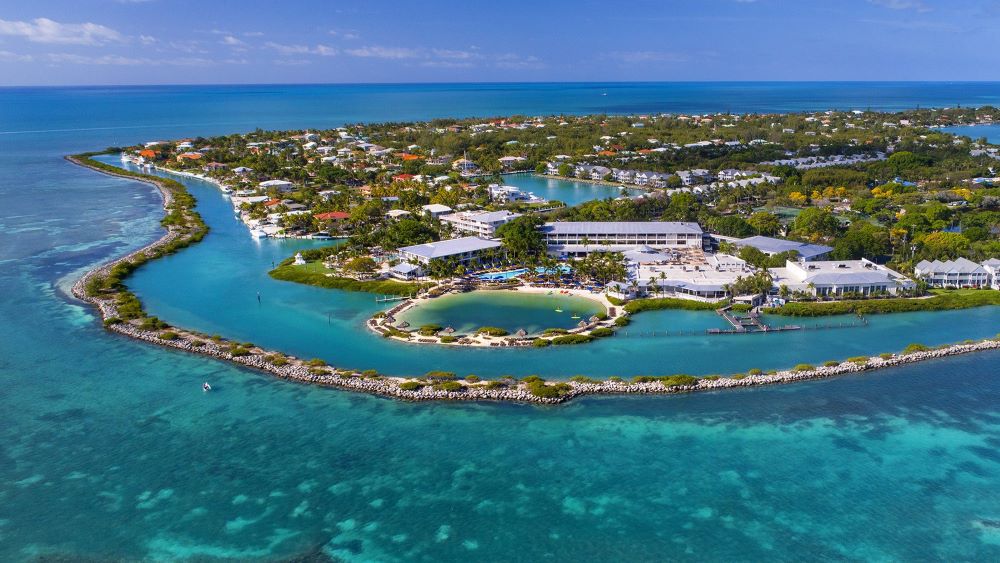
Redmond also noted that marina operations increasingly mirror the hospitality industry. Suntex operates over 90 marinas with the goal of creating welcoming, service-driven destinations that offer more than just boat storage.
“Scale in the marina sector tends to improve consistency, capital capability and partnership opportunities,” Redmond added. “Independents excel at local knowledge and personal relationships, while larger groups bring standardized training, best-practice rigor and hospitality programs that elevate the guest experience. Our focus remains on preserving local authenticity while delivering a hospitality-driven, ‘third place’ environment across the network.”
Suntex is also focused on creating entry points for new boaters through its Circle of Boating model, which features boat club and rental programs.
“By giving first-time boaters simple, guided access points and the ability to progress naturally through the experience funnel, these programs help expand participation in boating and create long-term, engaged customers,” Redmond explained.
Expanding role of technology
As expectations rise, great hospitality doesn’t carry marinas alone. Operators increasingly rely on technology to improve the customer experience.
“Boaters expect the same seamless experience they get from airlines and hotels – online reservations with real-time availability, digital contracts and eSignatures, invoice viewing and payment options, service request tracking with status updates, vessel document management, real-time notifications and mobile-first design that works on the water,” said Karen Barnes, CEO of DockMaster Software.
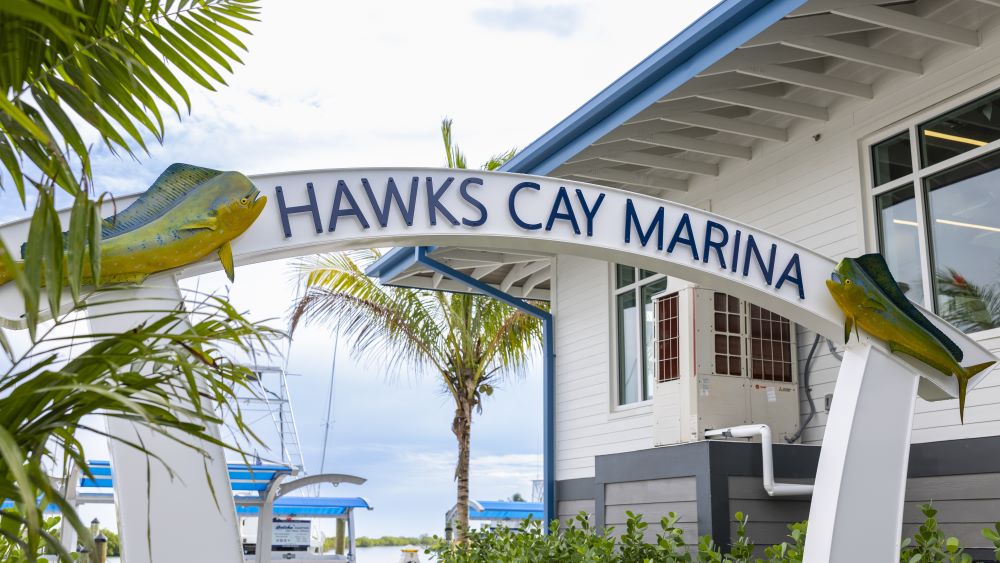
She said modern marina management platforms that include customer portals deliver these services, benefiting operators like Sunnyside Marina and boaters. Hawks Cay Marina relies on Dockwa, as another example, to manage about 90% of its slip reservations.
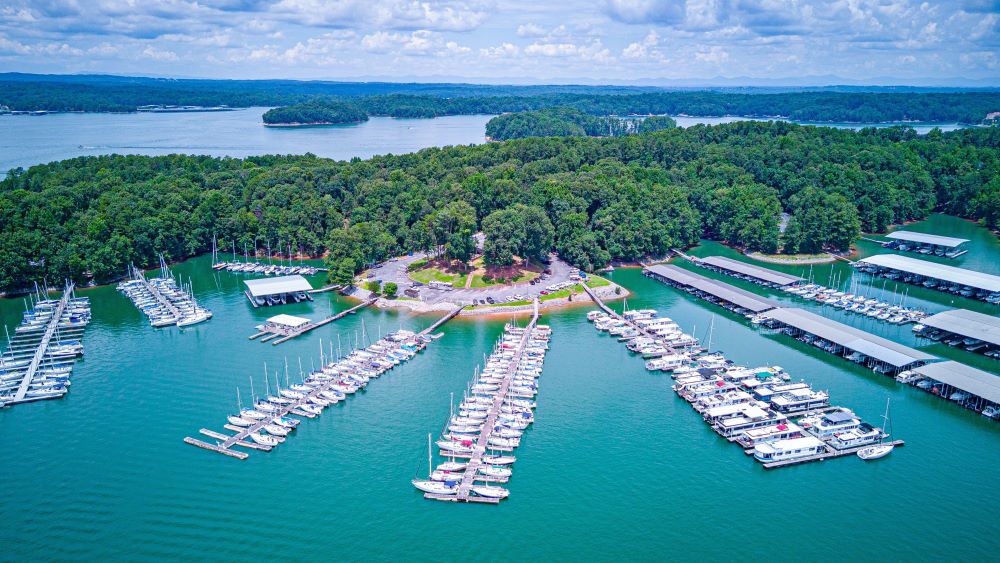
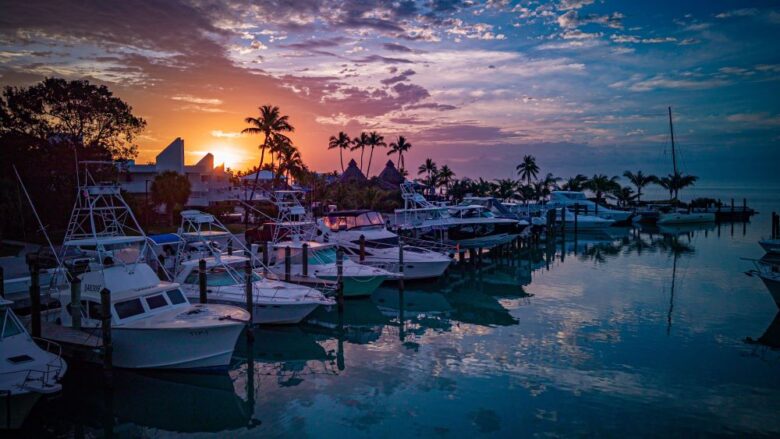
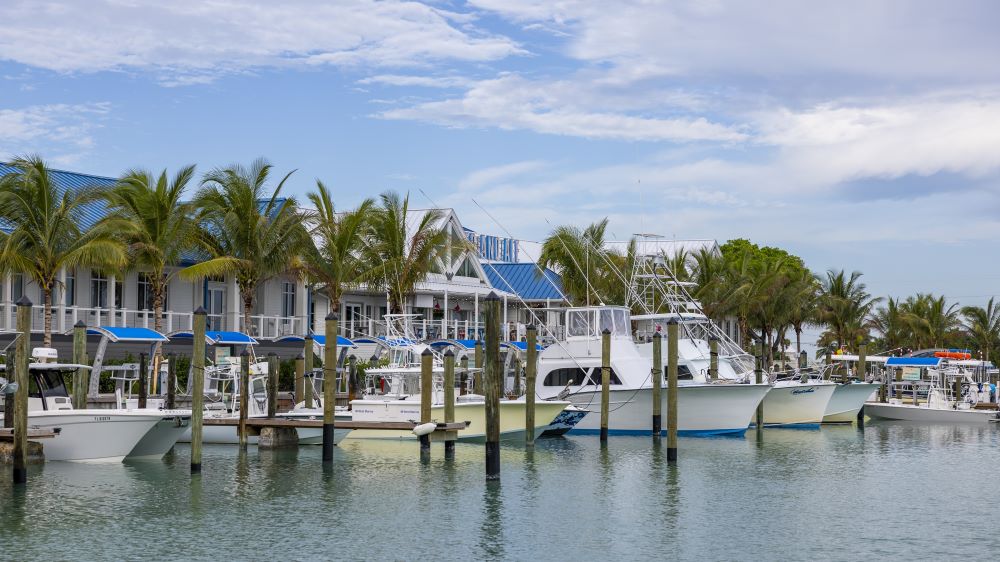
“It just expedites the process,” said Chris Groom, marina director and dock master at Hawks Cay Marina in the Florida Keys. “It’s more real-time for guests and we have the ability to chat with them. We have phone and email, but it makes the process a lot easier.”
“Gone are the days when calling the office was acceptable,” Barnes added. “Customers expect SMS updates, self-service portals with 24/7 account access and proactive communication before they have to ask.”
She said marina management software increases productivity, reduces errors, improves scheduling and captures more revenue while providing data-driven insights. “The combined result is higher satisfaction, better retention and stronger word-of-mouth all while reducing operational costs and justifying premium pricing. Staff spend less time on administrative tasks and more time on revenue-generating activities.”
Barnes explained that cloud-based marina management systems are transforming operations by automating work order creation, enabling drag-and-drop scheduling through visual marina maps and giving yard staff mobile tools to update jobs in real time. Integrated inventory management can set automatic reorders, link parts to work orders for accurate pricing and connect with fuel systems for streamlined tracking.
But these benefits also bring concerns around cybersecurity. “When evaluating marina management software, questions about vendor security practices, encryption standards, PCI compliance certification and secure cloud infrastructure are increasingly critical,” Barnes said.
Marinas hesitate to adopt new systems for a few reasons: cost concerns, ROI uncertainty, disruption fears and resistance from employees. And there is more hesitation from owners who may excel at hospitality but find technology overwhelming.
But Barnes explained that ROI can quickly add up when marinas use features like online slip reservations, integrated payments, customer self-service portals, automated billing, mobile work order management, inventory alerts and template-based communication.
Integrating AI
Looking ahead, DockMaster Software expects AI to optimize berth allocation, forecast demand, recommend pricing, automate certain communication and support energy management and sustainability initiatives.
“AI won’t replace marina staff,” Barnes said. “Platforms integrating these capabilities will handle repetitive analytical tasks while freeing humans for relationship-building and hospitality, giving early adopters significant competitive advantages in efficiency, satisfaction and profitability.”
“We view AI as an enhancer, not a replacement for human hospitality,” Redmond echoed. “Because Suntex now operates on a unified, network-wide data system, we’re able to analyze slip demand, occupancy, weather patterns, customer behavior and revenue trends in real time. “In short, AI helps us deliver clearer insights, more consistency and a better customer experience across the entire Suntex network while keeping people at the center of hospitality,” he said.
Staffing pressures
While technology is streamlining operations, staffing remains a persistent challenge.
Groom pointed out that location can heighten the staffing issue. Hawks Cay Marina serves boaters in the Florida Keys, a remote destination where housing costs are high. Hawks Cay offers employee housing for certain roles, commissions on booking charter excursions, free uniforms and other incentives to attract and retain staff.
AMI’s Certified Marina Manager and Certified Clean and Resilient Marina Professional programs also help create long-term, reliable employees. “That’s the biggest impact that AMI can have on the industry,” Chapman said. “Training those professionals who are going to be responsible for running marinas in the future.”
But he said hiring technicians is the most significant challenge, noting that the aviation and automotive industries are also facing shortages.
“Workforce recruitment and retention continue to challenge the industry,” said Redmond. “Strong training pipelines, including our university partnerships with more than a dozen hospitality schools and our internship/manager in training programs are key to keeping pace and building the next generation of marina leaders.”
Suntex began partnering with Florida State University’s Dedman School of Hospitality about five years ago to introduce hospitality students to career opportunities in the marina space. The partnership has led to the development of marina operations curriculum, internships and a manager and training program.
Regulations and advocacy landscape
While managers focus on serving customers and retaining a strong team, they must also operate in compliance with environmental, safety and operational regulations. “It’s just a lot to keep up with and it’s ever-changing,” Chapman said.
Occupational Safety and Health Administration (OSHA), Environmental Protection Agency (EPA) and Department of Natural Resources (DNR) requirements remain moving targets that marina managers must constantly monitor. AMI’s Clean and Resilient Marina Program, launched in 2022, helps operators navigate these requirements and strengthen environmental practices.
“The Clean and Resilient Marina Program touches on all of that, but every state is diff erent so there’s not a one size fi ts all because it depends on your jurisdiction,” Chapman said.
AMI focuses on federal-level issues while state-level advocacy typically falls to local organizations. “We’re out there not letting something come through Washington that’s going to affect the marina industry in a negative way.”
Infrastructure challenges
These regulatory and advocacy efforts collide with infrastructure hurdles too. Marinas face physical challenges tied to aging infrastructure and permitting requirements.
Maintenance dredging in the Florida Keys, for example, is especially complex. Groom has spent almost four years navigating approvals for dredging and a rebuild of Hawks Cay Marina after Hurricane Irma. Initial emergency funding was authorized, but it later lapsed and the team had to restart the process. Marinas across the country encounter similar challenges when working with state and federal entities.
While environmental regulatory pressures may ease at the federal level, these issues are often decided on a local level. Property owners and other stakeholders need to stay aware and involved over the long haul.
Electric power today
As industry wide regulations are pushing for environmentally friendly practices and products, some marinas are beginning to see electric boats at their docks, though not many.
Chapman said that marinas aren’t prepared for fleets of electric boats, but they may not need to be. “I think the idea of having an electric tender for your boat, I think that’s plausible,” he said. But when it comes to larger boats, he said there isn’t enough horsepower.
Most marinas already have the infrastructure to charge electric tenders, but not larger electric powered vessels.
“At Sunnyside and most marinas, they have power pedestals at every slip,” he explained. “If you were just trying to recharge a tender, that’s really already there. It wouldn’t be that big of an issue. You might have to add some electricity.”
In Groom’s four years at Hawks Cay, he has seen only two electric PWCs recharge using the marina’s pedestals. But he did note that the marina will use a fully electric Duffy 22 Suncruiser as an on-property water taxi at the beginning of 2026.
“There are definitely initiatives through our management and ownership company to reduce our [environmental] footprint,” he explained.

Experience led growth
Despite uncertainty around electrification, leaders agree that the biggest opportunities include modernizing marina operations and improving the customer experience.
“The largest opportunities lie in experience-led growth, expanded partnership ecosystems, technology-enabled guest service and the modernization of aging waterfront infrastructure,” said Redmond. “Enhancing dockage accessibility beyond owned assets and building stronger customer communities will be key.”
Ultimately, marinas that focus on hospitality and technology integration will deliver the seamless, community-focused experiences today’s boaters seek.