BoatUS Foundation launches database to track ADVs
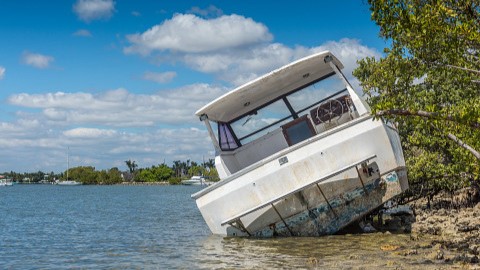
The non-profit BoatUS Foundation for Boating Safety and Clean Water has developed a database to identify and track the removal of abandoned and derelict vessels (ADVs) across the U.S., freely associated states and U.S. territories.
Created in partnership with the National Oceanic and Atmospheric Administration (NOAA) Marine Debris Program, this national database will allow visitors to report ADVs. Eventually, the database will be able to track the impacts of removal and prevention efforts.
“When we finally understand the scope of the problem, communities all over the country will be better able to remove abandoned and derelict vessels on their local coastlines,” said Alanna Keating, director of outreach, BoatUS Foundation. “With the information the database provides, they will be able to know exactly where they need to dedicate resources, whether that be towards removing vessels or preventing them from becoming abandoned in the first place. This database is just one part of our critical work that could help make ADVs a thing of the past.”
ADVs can crush or smother sensitive plants and corals, leak fuel and other pollutants into the water, threaten safe navigation and contribute to economic losses. Removing ADVs is a costly effort, often averaging more than $24,000 to remove a single boat.
Along with the database, the BoatUS Foundation awarded grants this year to support ADV removal efforts across Alaska, Guam, Louisiana, Maine, North Carolina, Oregon, the U.S. Virgin Islands and Washington.
The database, regional removal grants and efforts to raise awareness on boating-related debris disposal, including the Second annual “Turning the Tide” conference, are supported by the NOAA Marine Debris Program.