
6 Helpful Tips for Winterizing Your Boat
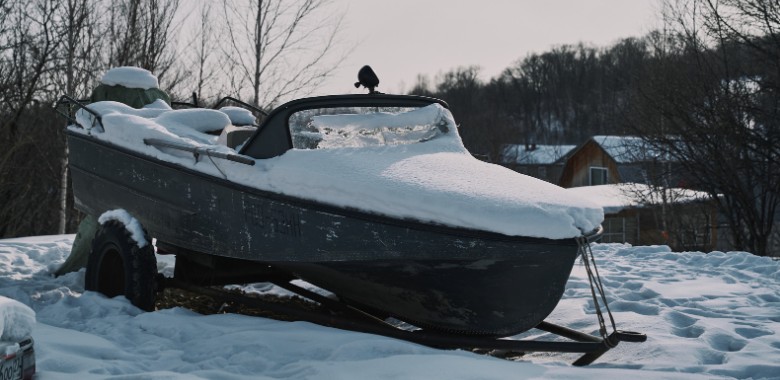
Pulling the boat out of the water can feel like the last step of boating season, but before the cover goes on there is another important step: properly preparing the boat for months of winter storage.
A rushed or incomplete winterization can leave water, moisture, fuel and other systems sitting idle through freezing temperatures, potentially creating costly problems when it’s time to get back on the water next spring.
To help make your boat last for years to come, and to prevent expensive fixes in the spring, here are some helpful tips for winterizing your vessel.
Engine and Mechanical Preparation
Old oil contains acid and moisture that can pit bearings and corrode engine internals over the winter, so be sure to change your engine oil and filters before storing your boat for the winter.
“It’s better to change your oil right before you decommission your boat because if there’s any moisture or contaminants in the oil from its usage, you don’t want it sitting there all season,” advises Drew Zadrozny, Assistant Vice President of the Boat & Yacht Department at Travelers. “By doing your oil change beforehand, you can have an easier and healthier start when the next season opens.”
Zadrozny also suggests that boaters flush out their engines to remove saltwater, mud and debris. Once the engine is flushed, boat owners can circulate non-toxic marine antifreeze through the raw-water cooling system until it runs out the exhaust.
Fuel System Care
Another important step in winterizing your boat is by stabilizing the fuel. Add a marine-grade fuel stabilizer to the tank before the final run of the season so it circulates through the entire fuel delivery system (carburetors, fuel injectors, lines).
“Similarly to owning a vehicle, you want to stabilize the fuel and drain the tank, if you can,” Zadrozny says. “It’s also a good opportunity to replace hoses, too. You’re knocking out two birds with one stone, there.”
Check Plumbing and Freshwater Systems
Similarly to draining your tank, boaters will also want to completely drain the freshwater tank, hot water heater, ice makers, livewells, washdowns and bilge pumps.
Running antifreeze through the plumbing is an added plus. Be sure to pump the antifreeze through the entire freshwater network until it runs pink out of every faucet, showerhead and spigot.
Electrical System and Electronics

Another practical winterization tactic for boaters is to disconnect and store batteries. Be sure to fully charge all onboard batteries, disconnect the cables and store them in a cool, dry place off concrete floors.
Boat owners should also remove portable GPS units, VHF radios, fishfinders and sound system head units and speakers, if possible, to prevent moisture damage, theft and extreme temperature wear.
“You’re going to want to look over your battery terminals and fuse boxes to see if there’s any corrosion there, and clean some of the connections, depending on what type of boat you have,” Zadrozny advises. “Similar to a car or lawnmower, if you let your battery sit for the season, it won’t work come the next season. So, be sure to put your battery on a charger.”
Hull, Deck and Interior Checks
One of the most overlooked areas of a boat during winterization are the hulls. Here is a list of things to clean and check in these parts of the boat:
- Clean the Exterior Throttling Rust and Algae: Pressure wash the bottom to remove marine growth, algae and barnacles before they harden. Apply a fresh coat of wax to the topsides and gelcoat to guard against winter buildup.
- Drain the Bilge and Plug: Remove the drain plug while the boat is in storage to prevent rainwater or condensation from accumulating in the bilge. Tie the plug to the ignition key or steering wheel so it isn’t forgotten in the spring.
- Deep Clean the Interior: Remove all food, trash, towels, cushions and life jackets. Vacuum and wipe down all lockers and compartments to prevent mildew and discourage rodents.
- Provide Ventilation & Moisture Control: Prop open locker doors, refrigerators and hatches to promote airflow. Place desiccant tubs or solar-powered vent fans inside to control humidity and prevent mold.
Storage and Covers
The best place to keep your boat during the winter months is inside, but if that’s not possible, then you need to ensure the boat is properly covered.
“Heat shrinking is the next best option if you’re leaving a boat outside,” Zadrozny says. “Many people will heat shrink their boats during the winter.”
Using a heavy-duty custom canvas cover or storing the boat under a shelter will also prevent snow and ice accumulation from breaking seams or cracking gelcoat.
Winterization may not be the most exciting day for boat owners, but doing it correctly can help make sure next year’s season begins on the water and not in a repair shop.