Water Sports Foundation Offers 5 Tips for Paddlesports Season Fun
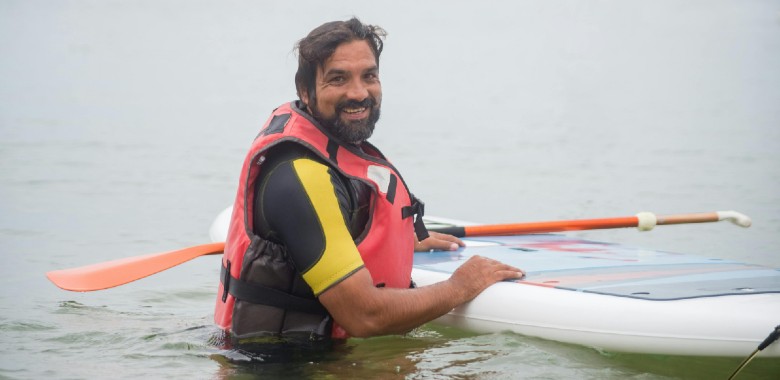
As spring unfolds across the United States, paddlers are eagerly returning to the water to mark the unofficial start of the season for kayakers, canoers and stand-up paddleboarders, all sports which are surging in popularity. The Outdoor Industry Association’s (OIA) most recent participation report states that more than 30 million Americans participated in a paddlesports activity, a robust 22% increase over 2019 figures.
“We’ve seen amazing growth in paddlesports in the last few years,” said Jeff Moag, content director of the Water Sports Foundation. “The magic of gliding across a gorgeous stretch of water as the sun rises is irresistible. When you understand that Paddlesports are the most accessible way to touch that part of the outdoors, then it’s not hard to understand the growth.”
Moag observed that manufacturers have worked hard to increase consumers’ access to paddlesports, especially for those trying it for the first time. Some recent advancements include:
- Navigation Apps: Mobile phone apps especially for paddlers offer marine charts to aid navigation. They also track your location, mileage and time on the water.
- Electric & Pedal-Assist Craft: Electric and pedal-powered kayaks offer hands-free propulsion for anglers and recreational users.
- Sustainable Manufacturing: Eco-conscious consumers are driving demand for kayaks and boards made from recycled plastics and plant-based composites.
- Personal Locator Beacons (PLBs): A PLB is an electronic device about the size of a cell phone a paddler takes with them on the water. It’s manually activated in an emergency and notifies rescue teams of your exact location.
Be Aware of Cold Water Conditions
As icy waterways melt in warmer temperatures this spring, experts remind paddle enthusiasts to be aware of cold-water conditions — especially in northern regions — which may present a serious hazard. Even on a sunny spring day, water temperatures can remain dangerously low, increasing the risk of cold-water shock and rapid incapacitation.
Gordon Giesbrecht, PhD, affectionately dubbed “Dr. Popsicle,” is one of the world’s leading experts on hypothermia. He famously developed the 1-10-1 principle of cold-water survival.
“When a person is submerged in very cold water, understanding the 1-10-1 principle is essential,” said Giesbrecht. “First, don’t panic, instead try to focus, because you only have one minute to get your breathing under control. Next, you have 10 minutes of meaningful movement before your muscles start to freeze up. And last, you have about one hour before hypothermia sets in followed by unconsciousness. Knowing this can help you stay calm and make choices that will save your life.”
Giesbrecht endorsed five tips for safely managing cold water paddling:
- Always Wear a U.S. Coast Guard-Approved Life Jacket: The most effective way to prevent drowning is wearing a life jacket; 85% of paddlesports fatalities were not wearing one.
- Dress for the Water Temperature, Not the Air: Wetsuits or dry suits should be considered in water below 70 degrees Fahrenheit (21 C) and are a must below 60 degrees Fahrenheit (15.5 C).
- Carry Reliable Communication Devices: Bring at least two waterproof ways to call for help, such as a personal locator beacon (PLB) or a protected mobile phone.
- File a Float Plan Before You Go: Share your trip details, route and expected return time with someone on land.
- Check Weather and Water Conditions Carefully: Know the weather in advance and avoid paddling in conditions beyond your skills including strong winds and currents.
Additionally, experts recommend taking safety training courses, always paddling sober and preparing in advance for potential immersion.