How To Tell When an Older Boat is Worth Restoring
By Bill Kenyon
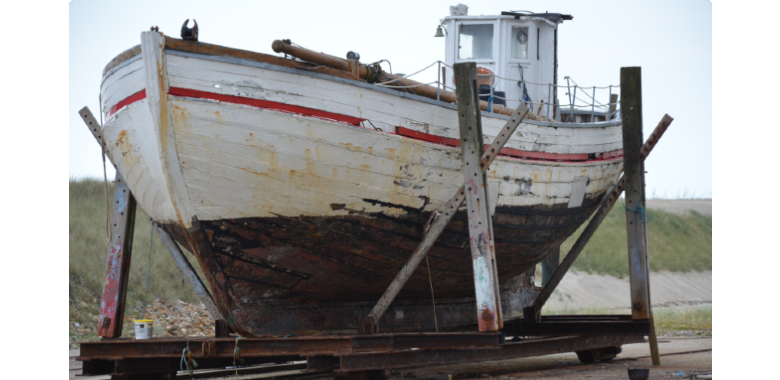
There’s something undeniably appealing about an older boat. Maybe it’s a classic wooden sailboat that’s weathered decades on the water or a well-built fiberglass cruiser that’s been sitting under a tarp for years waiting for another chance.
Restoring an older vessel can be deeply rewarding, but enthusiasm alone shouldn’t determine whether a project is worth pursuing. Before investing significant time and money, it’s important to evaluate the boat’s condition, restoration requirements and long-term potential.
Start With the Hull
The hull is the foundation of every boat, making it the first and most important place to inspect.
Fiberglass boats should be checked for soft spots, significant cracks, blistering below the waterline and evidence of previous repairs. While cosmetic damage can often be addressed without extensive work, structural damage may require specialized repairs that substantially increase restoration costs.
Wooden boats deserve an equally careful inspection. Rot, moisture intrusion, loose fasteners and deteriorated framing can quickly turn an exciting restoration into a much larger undertaking. Aluminum and steel hulls should be examined for corrosion, pitting and damaged welds that could compromise structural integrity.
A solid hull doesn’t guarantee an easy restoration, but a severely compromised one often changes the economics of the project.
Consider the Engine and Mechanical Systems
Many prospective restorers focus on appearance first, but mechanical systems usually determine how practical a project will become.
If the engine starts, runs reliably and has documented maintenance records, restoration costs may remain relatively manageable. On the other hand, an engine requiring a complete rebuild or replacement can represent one of the largest expenses of the entire project.
Beyond the engine itself, inspect:
- Fuel systems
- Steering components
- Electrical wiring
- Bilge pumps
- Cooling systems
- Transmission or drive components
Several smaller repairs can quickly add up, especially if replacement parts are difficult to source.
Evaluate Corrosion and Material Condition
Time affects every boat differently.
Metal hardware, fasteners, fuel tanks and electrical connections often show signs of corrosion long before major structural problems become obvious. Saltwater exposure can accelerate deterioration, particularly around fittings, engines and hidden compartments.
Likewise, upholstery, flooring, insulation and interior finishes frequently require replacement after years of moisture exposure.
Although cosmetic improvements are often straightforward, widespread corrosion affecting structural or mechanical components deserves much closer evaluation.
Review Maintenance History
Maintenance records provide valuable insight into how well a boat has been cared for over its lifetime.
Documentation showing routine engine service, winterization, repairs and equipment upgrades suggests the previous owner addressed problems before they became more serious.
Conversely, long periods without maintenance or incomplete records don’t necessarily make restoration impossible, but they do increase uncertainty. A thorough inspection becomes even more important when a boat’s history is largely unknown.
Compare Restoration Costs to Long-Term Value
One of the most common mistakes is underestimating restoration expenses.
The purchase price often represents only a small portion of the overall investment. Materials, replacement parts, specialized tools, professional labor, transportation, storage and unexpected repairs can significantly increase the total cost.
Ask yourself a few practical questions before moving forward:
- Will the completed boat meet your intended needs?
- Are comparable restored boats selling for substantially more than your projected investment?
- Are you restoring it primarily for enjoyment, education or resale?
- Do you have the time and workspace to complete the project properly?
Sometimes restoring a boat makes excellent financial sense. Other times, the greatest value comes from preserving a vessel with personal or historical significance rather than expecting a financial return.
Make Sure Parts Are Still Available
Even an otherwise promising restoration can become frustrating if essential parts are no longer manufactured. Older engines, steering systems, electronics and specialty hardware may require extensive searching through salvage yards, specialty suppliers or custom fabricators.
Before purchasing a project boat, spend some time researching replacement part availability. Understanding what remains accessible – and what may require custom fabrication – helps establish realistic expectations before work begins.
Restoration is Also a Learning Opportunity
Many successful restorations become much more than repair projects. They provide opportunities to develop valuable technical skills while gaining a deeper understanding of marine construction, propulsion systems, electrical components and craftsmanship.
Learning proper restoration techniques not only improves the quality of the finished boat but also helps owners diagnose future maintenance issues with greater confidence.
For individuals with deep interest and considering marine careers or looking to expand their technical knowledge, educational programs and trade schools focused on marine technology can provide hands-on experience with boat construction, restoration methods, engine systems and marine electrical work that extends well beyond a single project.
Make a Well-Informed Restoration Decision
A professional marine survey is one of the most important investments a boat owner can make, whether purchasing a vessel, obtaining insurance, assessing damage or planning major repairs. A qualified, registered marine surveyor provides an independent evaluation of a vessel’s condition, helping identify structural, mechanical, safety and compliance issues that may not be visible to the untrained eye.
A thorough survey can help buyers make informed decisions, avoid costly surprises and establish a clear understanding of a vessel’s value and seaworthiness. When searching for a qualified surveyor, the North American Marine Surveyors Association (NAMSA) is a valuable resource, offering access to professional marine surveyors and information about the standards and qualifications that help ensure reliable, objective assessments.
An older boat doesn’t have to be perfect to deserve restoration. Many vessels with cosmetic wear, aging finishes or outdated equipment can enjoy decades of additional service when their structural and mechanical foundations remain sound. The result is often more than a restored boat; it’s the satisfaction of bringing a well-built vessel back to life and preparing it for many more years on the water.
Bill Kenyon is Director of Student Leadership and Lead Instructor (Boatbuilding & Restoration) at IYRS School of Technology & Trades, a trade school in Rhode Island and a nationally recognized nonprofit institution that was founded in 1993. He has worked on several complete yacht restorations at East Passage Boatwrights in Bristol, RI and then on the restoration of the Herreshoff NY 30 Banzai at Wooden Boatworks in Greenport, NY.