WSF Shares 8 Boating Tips for a Fun and Safe Summer
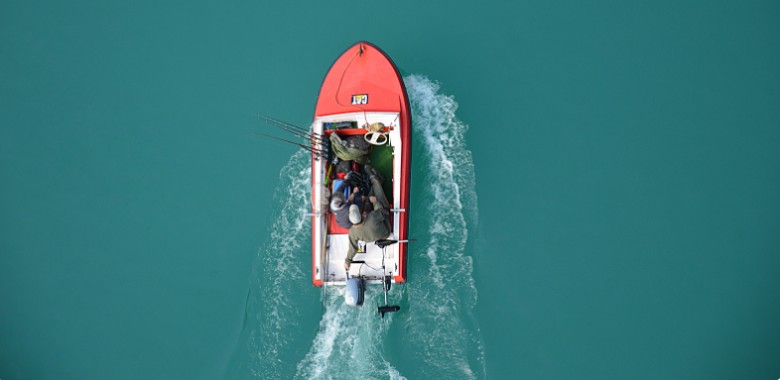
As the traditional opening of the summer boating season approaches this Memorial Day, the Water Sports Foundation (WSF) encourages boaters to prepare for the busiest boating weekend of the year.
“Memorial Day weekend traditionally signals the start of the recreational boating season,” said Jim Emmons, Executive Director of the WSF. “So many magical moments happen on the water each summer, creating memories that boating families cherish for a lifetime. To get the most fun out of your time on the water, be sure to plan well in advance and always make safety a top priority.”
Emmons said nearly two-thirds of boating accidents (65%) involve operator error which can be easily prevented through basic boater education. He shared the following tips to enhance your boating experience and keep the fun afloat:
Top Eight Boating Safety Tips for Memorial Day Weekend
- Take a Boater Safety Course – A boating course is the best way to improve your knowledge and brush up your skills. Whether you’re new to boating or just need a refresher, WSF offers a list of boating safety education resources. More than 40 states require some form of boater education.
- Wear a Life Jacket – The U.S. Coast Guard reports 86% of boating drowning victims were not wearing life jackets. Always wear a properly fitted life jacket and make one available for everyone in the boat. There are many exciting new light-weight, comfortable styles and sizes for everyone!
- Never Boat Under the Influence – The U.S. Coast Guard reports alcohol use is the leading known contributing factor in fatal boating accidents. Don’t drink and drive: always designate a sober skipper!
- Use the Engine Cutoff Switch – It’s the law! The engine cutoff switch, which is attached to the operator with a lanyard, will immediately stop the boat’s engine should the operator move away from the helm or fall overboard.
- Check the Weather Before Departure – The National Weather Service advises boaters to always monitor marine forecasts before and during outings. Take special precautions if inclement weather threatens and head to safety immediately.
- Carry Reliable Communication Devices – Don’t rely on a cell phone alone. A VHF radio is the best way to communicate with the U.S. Coast Guard, local authorities and other boats. Make sure you know how your VHF works and stay tuned to Channel 16, the safety and hailing frequency monitored 24/7 by the U.S. Coast Guard and other vessels. A properly registered satellite beacon (EPIRB or PLB) provides another layer of assurance.
- File a Float Plan – Make sure to share a detailed description of your boat’s make, model and registration number, the names of all on board, and the planned trip itinerary with a trusted family member, friend or marina staff before departure. Include a recent photo of your boat if possible.
- Communicate with Your Crew – Before leaving the dock, the boat operator should hold a short safety briefing to point out the location of safety gear; assign a spotter for watersports activity; and discuss rules about seating and movement while underway.
Aside from these important tips, Emmons also recommends investing in a complimentary vessel safety check provided by the U.S. Coast Guard Auxiliary in your area. In only 15-30 minutes, the auxiliary will verify all safety equipment is up-to-date and operational, plus provide a written summary of how to correct any compliance concerns. Boats that pass earn an official decal confirming your vessel was in full compliance with all federal boating laws at the time of the check.
“Memorial Day Weekend brings heavier traffic to the waterways and may include first-time operators,” said Emmons. “Use an extra dose of patience and caution. You’ll have more fun and so will everyone else on the water.”