Recreational boating industry trends
This article was originally featured in the December issue of Boating Industry.
Throughout the year, Boating Industry sat down with leaders to learn about industry trends, how dealers are navigating softer demand and what challenges and opportunities they see ahead.
Despite persistent headwinds, every conversation revealed a sense of optimism and a vision for future growth. Dealers are doubling down on marketing and in-person events. OEMs and suppliers are integrating technology and expanding features consumers value the most. Across the industry, operations are becoming more efficient.
These conversations revealed the trends and insights filling the industry’s sails.
Outboards
Outboards continue to gain ground across both saltwater and freshwater markets, increasingly replacing inboards and sterndrives, even on 40- to 60-foot models.
Early in the year, OEMs said consumers demand more horsepower, expanded digital controls and long-term reliability.
Honda and Yamaha are gradually pushing high-power engines and connected onboard systems down their lineups to meet these expectations. “Digital integration is one of the biggest opportunities for growth in the industry,” said Ryan Martin, product planning director of Honda Marine. While interest in electric power is growing, current battery limitations keep electric propulsion best suited for small outboards, so manufacturers are also exploring hydrogen and sustainable fuels.
“There’s no one solution for power plants in our industry because of what a boat does,” said Ben Special, president of Yamaha Marine. “One is sustainable fuels that could be dropped in to reduce the carbon footprint. The other – we’re doing a lot of work around the hydrogen outboard concept. Electric is part of the solution, [and] it will probably be on the lower horsepower side.”
Despite challenging emissions regulations and speed and fishing restrictions, OEMs emphasized the value of the longer boating season, easier maintenance and overall improved experience outboards provide. They’re even reshaping segments like fishing boats.
Fishing boats
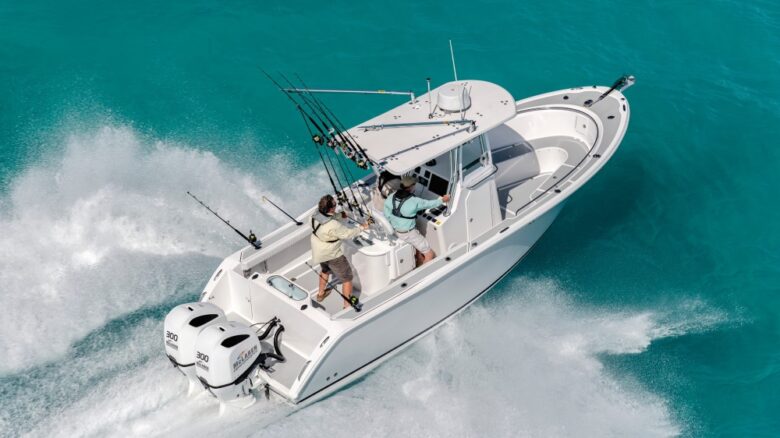
Saltwater center consoles over 25 feet have seen growth since Covid-19, driven in part by the availability of higher-horsepower outboards and the ever-growing expectations around performance. Aluminum boats, especially Deep V models and Jon boats, have also benefited from newcomers who entered the sport during the pandemic and have made upgrades.
Lightspeed DMS shared new and used fishing boat sales data gathered between March 2024 and February 2025. Gen X made the most purchases during that period, followed by Baby Boomers, who spent the most on average per sale.
Both Boston Whaler and Lund are designing boats with seamless tech integration, from phone connectivity to remote vessel monitoring. Joystick piloting, integrated digital dashboards, forward-facing sonar and larger multifunction displays are also making boating and fishing easier.
“The introduction of key technologies has opened up boating for a totally different audience,” said Lenn Scholz, president of Boston Whaler. “We have customers that are buying a 42foot Outrage and it’s the first boat they’ve ever owned.”
Versatility is also a driver, with hybrid fishing and family-friendly designs gaining popularity. Sustainability also influences product development, seen in Whaler’s lithium-ion generator replacement and Lund’s fuel-efficient aluminum hulls.
The demand for sustainable products, multipurpose layouts and integrated technology reflects larger trends across all segments.
Marine technology
This technology is also making boating safer, more connected and easier for newcomers.
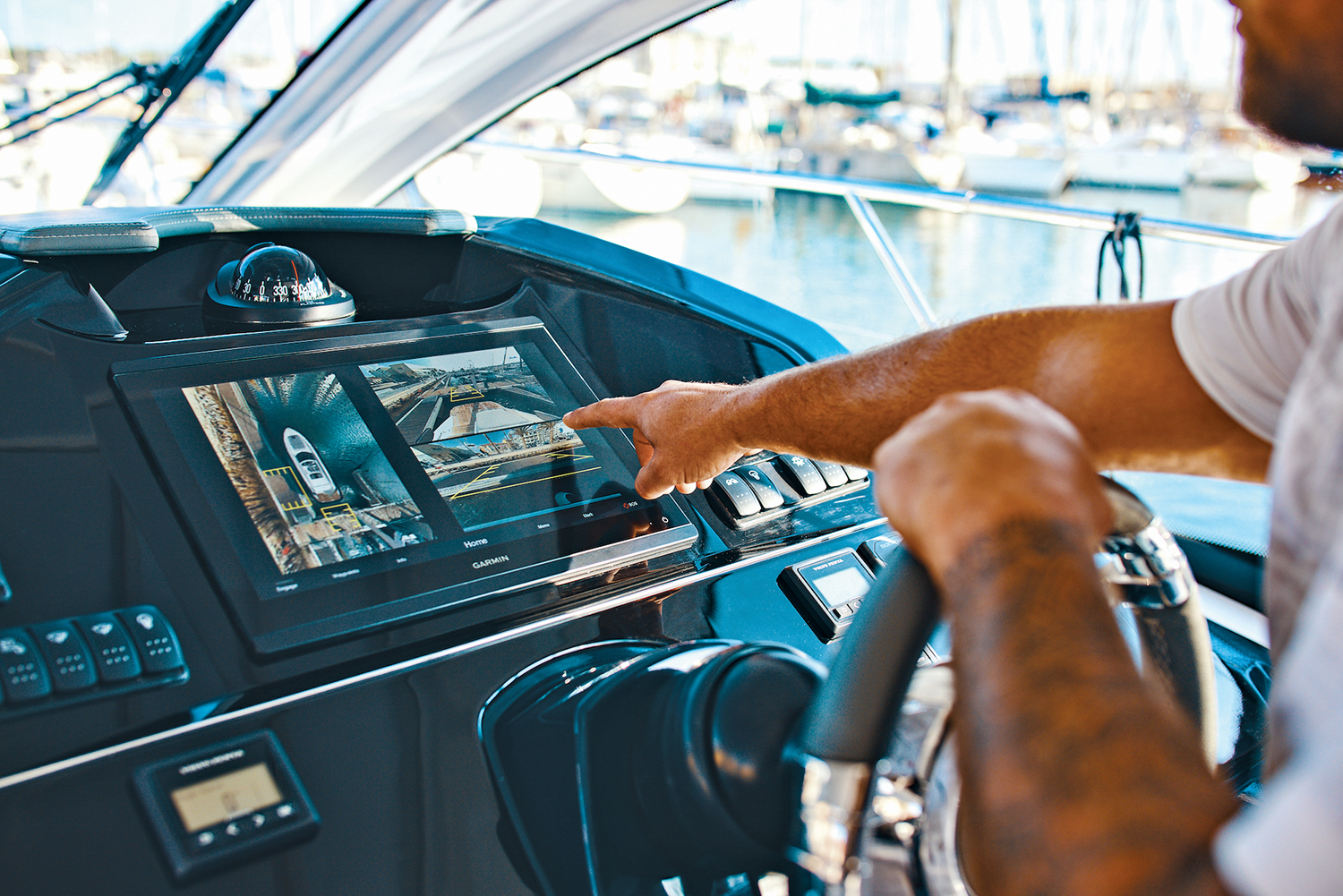
NMEA and Garmin report that improved connectivity, cloud usage and more affordable commercial-grade tech, like advanced sonar, radar and data sharing, are driving the shift.
OEMs are working to integrate systems to provide app-based controls, remote monitoring and smart-home conveniences. Cybersecurity and AI-assisted features, like object detection, navigation support and predictive maintenance, are also gaining attention.
Ultimately, the industry is working to provide the intuitive, automated experience consumers expect at home and in their cars.
Marine audio
Just like other onboard technologies, audio systems are also evolving to match the effortless control people expect in their living rooms.
As boat prices rise, consumer expectations for marine audio are climbing just as quickly. Boaters want loud, clear, immersive sound and they expect systems to withstand salt, sun, vibration and long hours at high volume.
Brands like Kicker and Wet Sounds are investing in durability testing, digital sound processing and seamless connectivity through displays, Bluetooth and emerging Wi-Fi features.
Younger boaters influence the aesthetic and performance demands, but older owners make most purchases, pushing brands to satisfy both groups.
From pontoons to wake boats, audio has become essential and OEMs and aftermarket suppliers are elevating the on-water experience by integrating advanced, easy-to-use systems.
Wakesurfing
Boaters are gravitating toward products that balance technology, versatility and performance, a blend that wake boats showcase especially well.
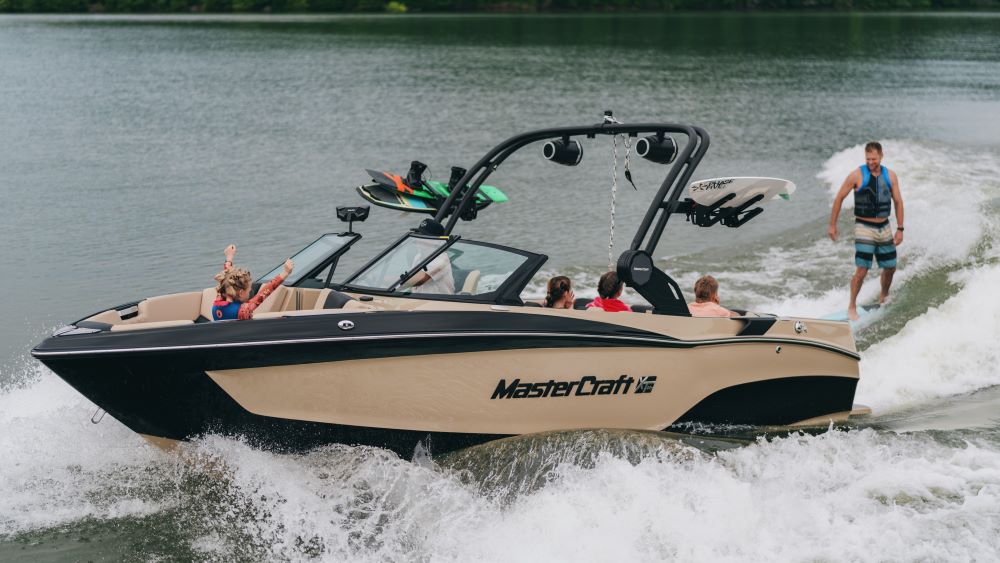
Wakesurfing rapidly expanded over the past decade, largely because the sport is easy to learn, low impact and enjoyable for all ages.
Innovations like ballast automation, wake-shaping systems and intuitive controls have made creating the perfect wave simple for the boater.
New towboat buyers tend to be between 35 and 60 years old, often families or grandparents investing in premium towboats. Younger buyers tend to lean toward used models.
Systems like MasterCraft’s SurfStar, Malibu’s Surf Gate and Power Wedge III, and faster ballast fills allow instant wave customization and an easier driving experience.
As seen in other segments, versatility is increasingly important, as consumers want boats that can tow any watersport, cruise and comfortably entertain.
But in some areas of the country, wake boats have been the target of lakeshore property owners who dislike the big waves and the loud stereos. Current regulations vary by body of water and locality, but can include speed and time restrictions, if not outright bans.
Dealers emphasized the importance of demo events, education and strong OEM partnerships to combat wakesurfing restrictions and build long-term customers.
Personal watercraft
Unlike higher-priced wake boats, PWCs continue to deliver an easy entry into boating. Despite a 12% decrease in PWC sales in 2024 compared to 2023, Yamaha and Sea-Doo reported high first-time buyer rates early this year, driven by accessible price points under $10,000.
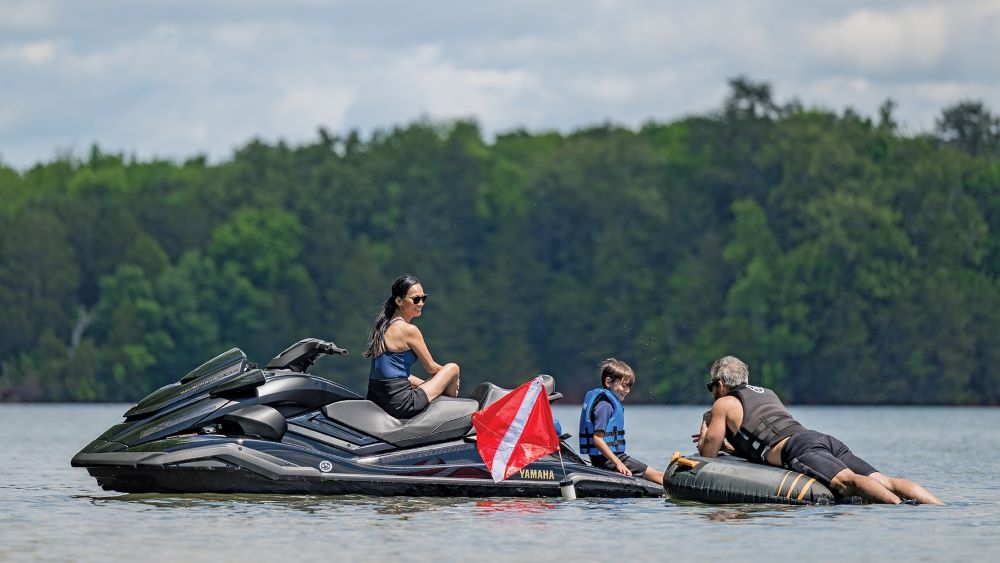
James Heintz, director of global product strategy for SeaDoo, shared PWCs attract nearly three times more new entrants than aluminum or pontoon boats, thanks to lower towing, storage and maintenance barriers.
At the same time, premium touring models remain steady, as buyers look for more comfort, storage and versatility. NMMA data shows that the average PWC retail price rose about 5% in 2024 compared to 2023, reaching roughly $16,200.
Sea-Doo has responded to the surge in group riding with touchscreen displays that integrate navigation and phone functions, and will continue to expand its fishing segment. Yamaha is meeting the demand for versatility with its 2026 CrossWave, which offers fishing, cruising and long-distance touring capabilities.
Looking ahead, both companies are exploring how hydrogen, hybrids and sustainable fuels can be used as alternative power solutions, noting that electric technology isn’t yet viable for most PWCs. As Millennials age into the core buying demographic, OEMs said tech integration, versatile experiences and sustainability will be key.
Sustainability in manufacturing
Alongside product development, manufacturers are also investing in long-term sustainability eff orts within their operations. Companies like Brunswick and Yamaha Marine are improving energy efficiency, expanding solar use, reducing waste and advancing recycled and sustainable materials in boats and engines.
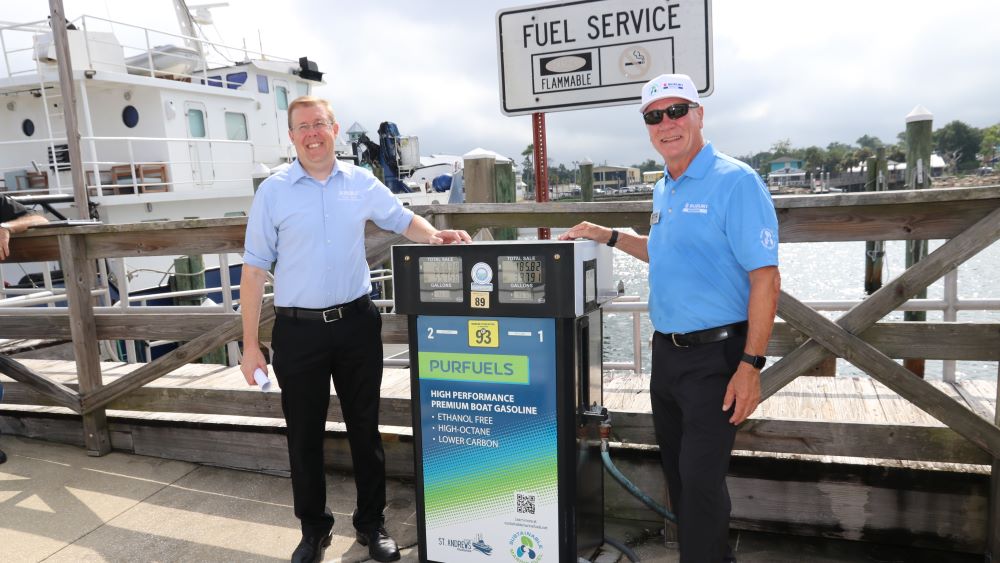
“When thoughtfully and strategically addressed, these areas represent opportunities for manufacturers to reduce costs while reducing their carbon footprint,” said Jennifer Koenig, chief sustainability officer at Brunswick.
These efforts also appeal to consumers. According to a survey conducted by global data and business intelligence platform Statista, 67% of American consumers said they were willing to pay extra for sustainable products in 2018. A multi-year Harvard Business study also pointed out that millennials and younger demographics are most concerned about sustainable practices.
Electric boating
The marine industry is also shifting toward sustainable products. The interest in electric boats is fueled by environmental concerns, improving battery technologies and stricter emissions regulations.
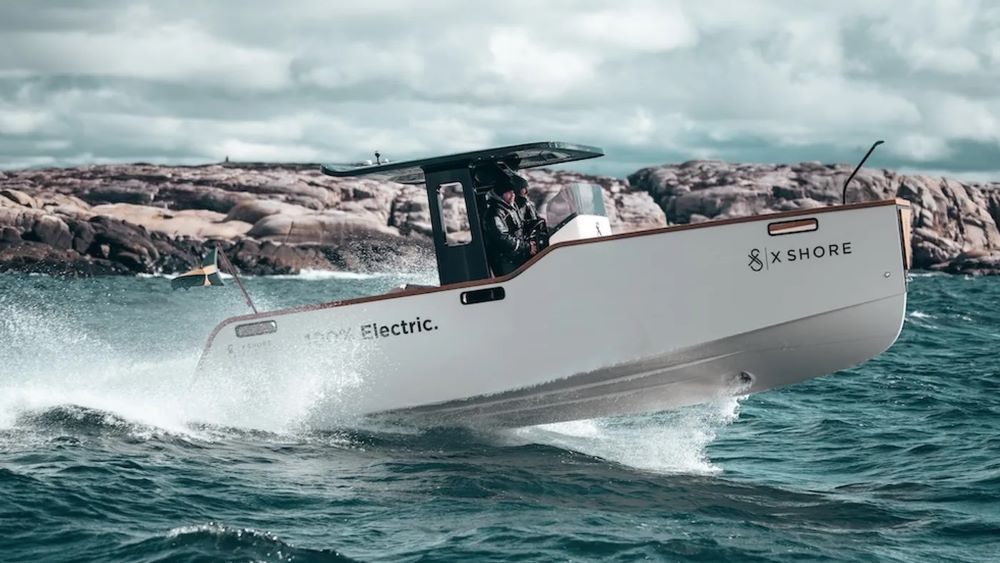
Manufacturers are investing in next-generation electric propulsion, with some OEMs not only electrifying existing models but redesigning vessels around electric propulsion.
Companies like Pollentia, Candela, Arc, X Shore, Yamaha, Brunswick and Volvo Penta are developing hydrofoiling vessels, high-performance electric wake boats, solar-electric yachts and electric and hybrid engines.
While electric propulsion currently works for smaller boats, seen as Mercury’s electric outboard Avator lineup continues to expand, consumers still express concerns over range, charging infrastructure, battery longevity, redundancy at sea and higher costs.
Despite these hurdles, over 100 manufacturers are actively developing solutions, and Europe currently leads the global electric boat market share due to supportive regulations.
Sustainable fuels could also significantly reduce emissions from the current fleet of ICE-powered boats, but demand remains low and widespread adoption would require a major distribution network across thousands of marinas. Hydrogen, also an emerging power source, faces infrastructure barriers as well.
OEMs noted that every alternative comes with its own infrastructure hurdles and environmental trade-offs. As research continues, manufacturers expect a multi-technology future, with each propulsion type suited to specific use cases as support systems evolve.
In a study conducted by EPG Specialty Information, we asked survey respondents why they are interested in owning an electric boat. Leisure and relaxation were the number one reasons, followed by environmental friendliness, lifestyle aspiration, quiet operation and watersports enjoyment.
Benefits like lower operating costs, instant torque and advanced technology were secondary drivers.
Dealer sentiment
Dealers across North America have made it clear that the market is slower, buyers lack urgency and inventory levels need to be healthy. From adding demo days and community events to their calendars to refining operations and marketing, dealers are building demand instead of waiting for it.
EPG Specialty information surveyed dealers this fall, and 46 percent of dealers anticipated revenue growth in 2025 compared to 2024. At the same time, data from Lightspeed showed that over the first eight months of 2025, the average dealer was down in combined revenue year over year.
“I would say this is one of the most challenging years we’ve had, saleswise,” Jon Poulson, general manager of Atwood Lake Boats, said in September. “I don’t remember it being this hard to get somebody over the edge of the purchase.”
“We’re optimistic, it’s just that there are definitely better things you can do than have all your money tied up in your inventory,” Braden Panasiuk, general manager of Gibbons Motor Toys in Alberta, Canada, said in July. “We’re not in the panic stage, but we’re being very careful about our plan for 2026 in terms of what we reorder and how our stocking levels will look next year.” He wasn’t the only dealer who emphasized the need to clean up aging product before the 2026 model year.
To stay competitive, dealers have expanded marketing teams, hosted more in-person events and attended more boat shows to stay in front of buyers. Many incorporated AI tools into everyday operations to improve communication with customers.
State of the industry
“We’re also seeing a lot of innovation happening across the industry, and that gives us confidence,” said Daniel Sherlock, director of Honda Marine Division. “Companies are adapting, fi nding creative ways to navigate these challenges, and that innovation is what keeps our overall outlook positive. We’re seeing a lot of resilience and forward-thinking out there, which gives us assurance that the momentum will continue.”
Across 2025, leaders emphasized that improved accessibility, smart technology and positive customer experiences will keep people connected to life on the water. As regulatory pressures, economic uncertainty and tariffs unfold, expanding exposure to recreational boating will be key. Providing affordable entry points for younger and more diverse buyers, delivering easier ownership and offering sustainable, versatile products will also be essential.
“At the end of the day, I don’t feel like we’re competing against other marina operators as much as we are just competing for people’s time,” said Bryan Redmond, co-founder and CEO of Suntex Marinas. “I know my team, we talk about that a lot. Our biggest risk is that somebody decides that the boating lifestyle is just not worth their time anymore.”