Profiles in Leadership: Nancy Cueroni
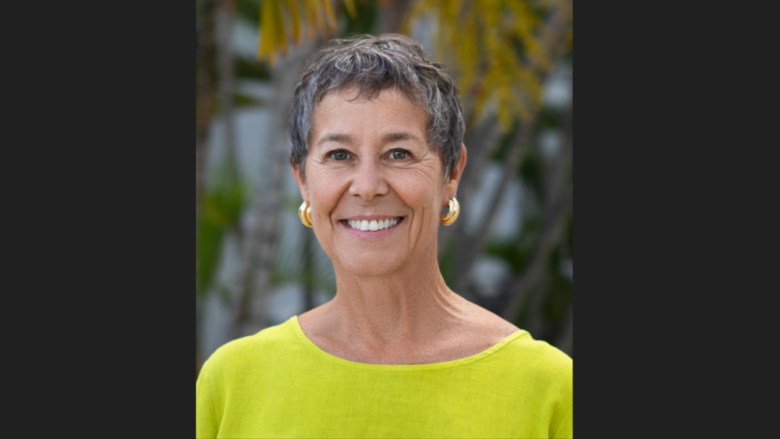
As Boating Industry recognizes this year’s distinguished class of “Women Making Waves,” who better to spotlight for our Profiles in Leadership column than the current Darlene Briggs Marine Woman of the Year, Nancy Cueroni?
As the executive director of the National Marine Distributors Association (NMDA) since 1999 and only the second to hold this position, Nancy has contributed signifi cantly to the nonprofi t’s growth and the success of its members, which include wholesale distributors, manufacturers and manufacturer reps in the aftermarket segment of the recreational boating industry.
Nancy’s efforts and influence extend far beyond her employer. She served on the NMMA Growth Summit/Recreational Boating Leadership Council, has held various key board positions on the National Association of Wholesale Distributors and Small Business Legislative Council, was the former chairman of the board of the American Boat & Yacht Council, and remains actively engaged in supporting the MRAA and its workforce development initiative as an education champion at Dealer Week.
On October 1, 2025, Nancy plans to transition from full-time employment at NMDA to retirement, albeit remaining a consultant to support its new executive director through the end of the year.
Boating Industry spoke with Nancy about multiple topics, including her illustrious industry career and her strategies for success, the role of mentoring, critical leadership traits, women’s issues and opportunities, and what’s ahead on her horizon.
Boating Industry (BI): You’re the daughter of a military officer. How did that affect your leadership development from an early age?
Nancy Cueroni (NC): Growing up in a military home meant you were dealing with constant change. We moved about every two years. My parents made each move an adventure by including us in the whole process. Our moves were almost always from one coast of the U.S. to the other. We would drive (one car, then two cars, then three cars) across the country. We were very fortunate to see many of the incredible parks and sights in the U.S. during these drives.
Leadership was taught to us by example by both my mom and dad. We were raised to believe we could do or be anything we wanted – there were no limits, and none of us were boxed or pushed into just one path. Mom was very active in the Red Cross, the Officers’ Wives Club (there were no women officers at the time, so all spouses were wives) and school groups. She showed us that you’re never too busy to be involved.
No matter where we lived, we were expected to pitch in and become part of the community, with the expectation that each of us would be involved. Being “the new kid” was no excuse to not join, help, volunteer, and in many cases lead groups.
BI: What was your earliest boating experience?
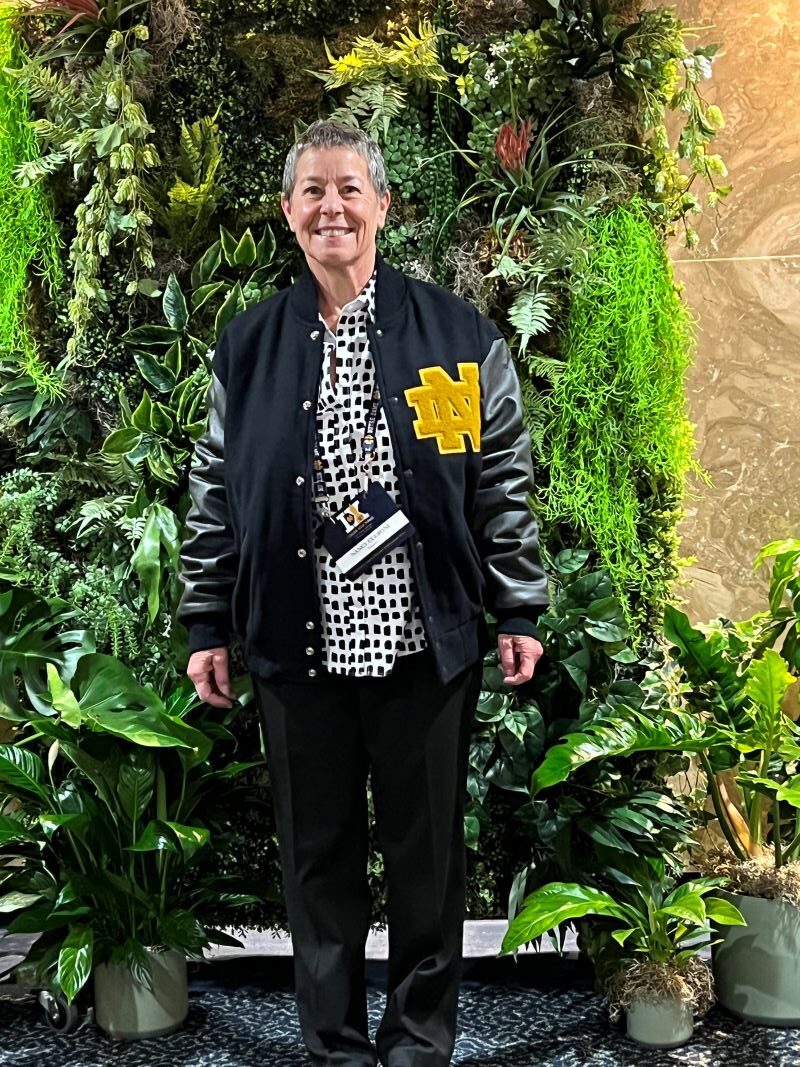
NC: My dad was in the U.S. Coast Guard, and his career was spent mostly on ships. One of his commands was in Panama City, Florida, and it included a membership in the local yacht club. It was there in 1968 that I fell in love with sailing. I sailed/raced there, and continued racing in college, where I was captain of the sailing team. Later, in Connecticut, I raced in a Wednesday and Thursday night series.
BI: How were you introduced to the boating industry and NMDA?
NC: One of my acquaintances told me that the Connecticut Marine Trades Association (CMTA) was looking for a director of membership. I applied and was hired and started at CMTA in March 1989. While at CMTA, I attended the NMMA’s ABC and invited a CMTA board member to do my Capitol Hill visits with me. My sense is he was impressed with that day and when the NMDA was looking for a new Executive Director, he asked me to apply.
BI: At our recent ELEVATE Summit, you served on our Executive Women’s Panel and spoke on the value of mentoring. Could you share some insight?
NC: All of us are mentors, some formally and others simply by example. There are several people that I count among those I have mentored; some have spoken about this publicly and others simply know who they are. I’ve always made myself available to those who are new to the industry and even some who have been around for a while. I’ll meet for coffee, a quick call, a Zoom or whatever they might need. Sometimes they need an ear to listen to a problem. Sometimes they want a specific opinion on something they are facing. My goal is to help lead them to their own decisions.
In some ways, I never thought about mentoring as a formal experience until I was asked about it last year. Turns out that many of my calls, meetings and emails have been, in fact, mentoring. Several NMDA members have asked me to speak to new people, often women, about our industry. Some of these conversations have turned into long-term relationships that continue to this day.
There are few things more rewarding than seeing someone you’ve mentored not only succeed in their job, but flourish!
BI: What were the challenges you faced in the early phases of your marine industry career as a professional woman and how did you overcome?
NC: We used to kid that in the past, all the women at the Miami Boat Show or IBEX would not even fill a whole table if we were to meet for dinner. The challenges included being taken seriously, earning respect for what we could do, and being seen as equals, not just as women.
From my point of view, the way we overcame these stereotypes and challenges was to not only do the job, but to excel at the job. We proved ourselves time and time again by producing events that were successful. We showed the “old timers” that we, as women, were not only capable of doing the job, but we were also capable of exceeding the expectations of those we were working for and with.
Times have changed. There are so many more women in the industry who are succeeding beyond perhaps even their wildest dreams. We have many women leaders who have shaped and guided their company’s growth by doing the job fairly, with compassion and strength.
BI: Advice for women in the industry with long-term career aspirations?
NC: Don’t give up. Don’t let stumbles or slower-than-expected promotions discourage you. Don’t be afraid to ask for a mentor, for help, for a job path. Don’t be afraid to fail. Not everything you do will be a success. Own failure, learn from it and move on.
BI: What’s been your #1 strategy for professional development and continued success? NC: My strategy is to keep learning. I learn and stay current by attending conferences, trade shows and reading industry publications. One of the most important things I do is surround myself with people who are smarter than me. Learning is not something I have to do, but rather something I want to do. Boredom is never a problem; I’m aware that there are so many things I don’t know. I’ve also learned that exposing myself to younger people has not only helped me grow but often helped them too!
BI: What do you believe are important leadership traits needed by those in the marine industry?
NC: Resilience. This is an industry with ups and downs. Purchases in the industry are almost always made with 100% discretionary income – that means as the economy goes up, our industry grows. The reverse is also true.
You must be willing to pitch in and do whatever needs to be done, as that will make you invaluable. If you’re invaluable, you’ll never be without a job.
BI: What have been the keys to carving out a successful and enduring marine industry career?
NC: Being honest, organized, resourceful and willing to take on new challenges. My goal has been to work as hard as possible and do the very best job I can.
BI: What’s the biggest challenge you see facing the industry?
NC: The cost of boating is both a long-term and short-term problem. When I started in 1999 at the Hartford Boat Show, you could get a boat, motor and trailer for $9,999. That meant that almost everyone could afford a boat. I do understand the customer has “asked” for more on the boats; they want more than the teak seat and tiller that used to be the standard on the 13-foot Whaler, but my worry is that we have priced ourselves out of the marketplace. The competition for time continues to grow and as boating becomes more expensive, boating will continue to move down in the list of “what to do this weekend.”
BI: When you’re not working, what do you do for fun?
NC: I travel, read, cook, quilt and I hope once I retire to spend more time volunteering.
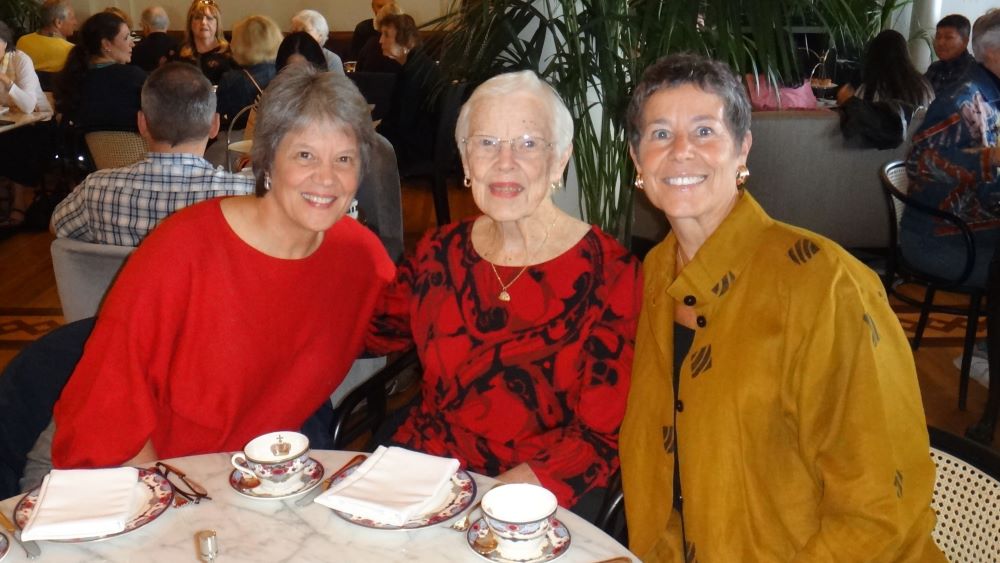
BI: Any specific volunteer plans and other exciting activities planned post-retirement?
NC: I’ve got an application pending for some volunteer work in Florida and hope to work with the Service Corps of Retired Executives (S.C.O.R.E.), helping new and existing small businesses with their business plans and understanding the process of running a business. There are a few European trips already planned, including one to the Christmas markets in Austria and Hungary, and another month-long trip on various rivers in Europe.
BI: As you contemplate your long-term industry career, what will you miss the most?
NC: I will miss the NMDA members who have become my work family, and I will miss all the people who have graced my life over the last 36 years I’ve spent in the marine industry.
Wanda Kenton Smith runs Kenton Smith Marketing and is a veteran journalist, business writer and former editor of both consumer sports and marine trade magazines.