Key Factors Reshaping Liability Risks for Marine Businesses
Spring and summer are some of the busiest times for boat dealers and service operators. As consumers gear themselves up for a fun-filled summer, those behind the scenes are making sure the boats leaving their property are safe enough to ride.
With this wave of increased boating activity, rising vessel values and ongoing repair delays, dealers and service providers are experiencing emerging liability risks that can be costly and difficult to anticipate. At the same time, more severe weather events, social inflation and growing litigation trends are increasing the potential impact of insurance claims.
Over the past few years, Clear Marine Risk Solutions has seen an uptick in claim severity from boat dealers and service providers.
“Larger jury verdicts and higher litigation costs mean a single claim today can cost multiples of what it did five or six years ago,” explains John Logothetis, President of Clear Marine Risk Solutions.
Increased Power Means Increased Liability Risks
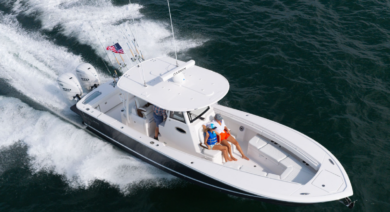
According to Logothetis, the uptick in claim severity is being driven by several factors. Vessels themselves have become more complex, with higher-horsepower engines, electric and hybrid propulsion systems, and more advanced electronics. That raises the stakes when something goes wrong during a repair, haul-out or sea trial.
“At the same time, rising vessel values mean dealers and service providers often have more exposure per unit than they did in the past,” he explains.
“Another factor is the labor market,” Logothetis continues. “Experienced marine technicians remain in high demand, and labor shortages can leave less experienced staff working on higher value, more technically complex vessels. That can create added risk, particularly as newer technologies require skill sets that may differ from those needed for traditional systems.”
A Rise in Disruptions
Aside from larger boats, weather volatility, rising repair costs and supply chain disruptions are making it more important than ever for marine businesses to keep both their risk management practices and insured values current.
“Repair and replacement costs have risen enough that a valuation from even two or three years ago may already be outdated relative to today’s rebuild costs,” notes Maurice Lee, Senior Underwriting Consultant, Marine Programs at Nationwide.
Weather is also becoming more disruptive, according to Lee. Coastal operations obviously carry named-storm exposure, but the more overlooked story right now may be inland markets.
“Hail, severe thunderstorms and other convective weather events are creating meaningful losses in lake and river markets that historically may not have planned for that level of exposure,” Lee explains. “As a result, some dealers and marinas are underinsured simply because those risks were not on their radar when coverage was put in place. In many cases, those locations are also more remote, which can drive labor and material costs even higher after a loss.”
At the same time, parts backorders and longer repair cycles mean damaged vessels are sitting in a dealer’s care, custody and control for longer periods, extending the window of exposure. Lee says those delays can also lengthen business interruption and loss-of-use claims.
“The net effect is that frequent revaluation of insured values is no longer a nice-to-have. It’s a necessity,” Lee says. “At a minimum, dealers should revisit valuations annually, and for businesses with high-value inventory or meaningful weather exposure, every six months may be more appropriate.”
Overlooked Coverage Gaps
To ensure that boat dealers and service providers are prepared for these disruptions, it’s important to note some overlooked coverage gaps.

“One of the most common issues is case, custody and control limits that have not kept pace with today’s vessel values,” advises Lee. “A simple test is to add up the current retail value of everything a business might typically have in its care on a busy day, including boats being serviced, stored or awaiting parts, and compare that number to the policy limit. Many owners have not revisited that math since they first bought the policy.”
Flood coverage is another area to review closely, according to Lee, because it may be excluded or sub-limited even for waterfront storage yards.
“Cyber and data liability is also a growing blind spot, especially for smaller businesses that assume cyber risk is only a large-enterprise issue,” Lee says. “In reality, a local dealer taking card payments and storing customer contact and financial information can be just as attractive a target, and often has lighter defenses.”
Lee adds that pollution and environmental coverage tied to fuel storage and service operations is also commonly overlooked until there is an actual spill.
“We also see businesses carrying umbrella or excess limits that have not scaled with rising asset values or with broader litigation pressures, including social inflation and third-party litigation funding,” he says. “Business income and extra expense limits can present another gap when they are built on outdated assumptions about how quickly a business can reopen after a major loss.”
The Importance of Having the Right Coverage
Marine businesses face a wide range of liability exposures, many of which stem from everyday operations. Both Logothetis and Lee urge boat dealers and service providers to protect themselves with the right coverage in order to prevent legal issues.
“If coverage is inadequate, the business may have to absorb the loss directly from its own capital, including repair costs, replacement costs and legal defense expenses,” Logothetis says. “In a serious event such as a fire, major storm loss or significant liability claim, outdated values or missing coverage can put the survival of the business at risk.”
The consequences also extend beyond the immediate financial hit. Damaged, undervalued or uninsured inventory can strain relationships with manufacturers and floor-plan lenders, according to Logothetis. Litigation costs become a direct burden on the business rather than something transferred to an insurer. In a close-knit boating community, reputational damage can also outlast the financial impact itself.
“If a dealer realizes they are underinsured, the best step is to call their broker immediately rather than waiting for renewal,” Logothetis advises. “Many coverage gaps can be addressed mid-term by adding endorsements, and the biggest mistake is recognizing the issue but hoping nothing happens before the policy comes up again.”